Forestry and Natural Resources
Top Story
Top Story

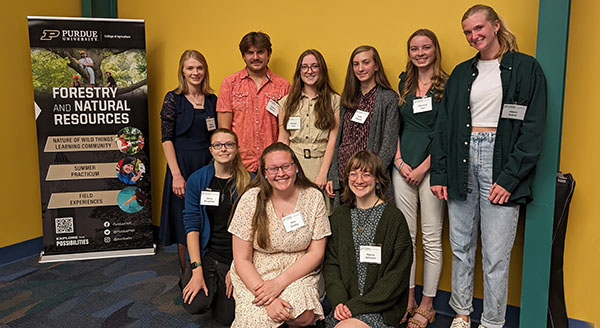
Purdue Forestry and Natural Resources recognized the department’s student award and...
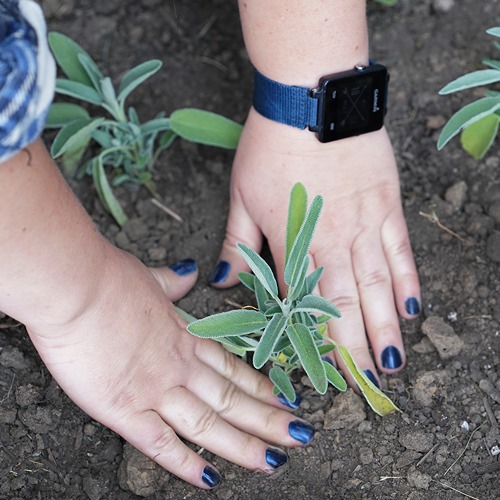
The Sloan Indigenous Graduate Partnership (SIGP) is an organization of 11 universities funded by...
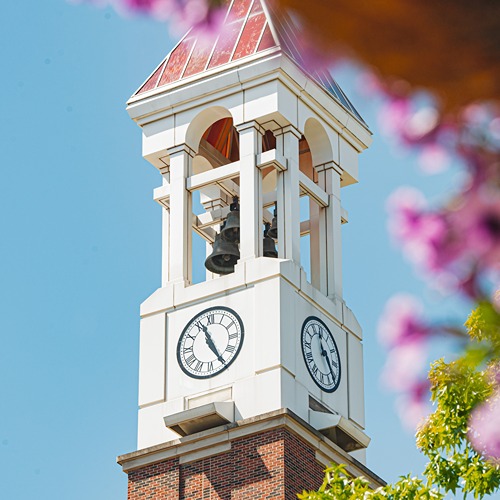
Purdue College of Agriculture professors Songlin Fei and Tesfaye Mengiste have been named fellows...

In the spirit of building a community to manage and protect the world’s forests, Liang and...
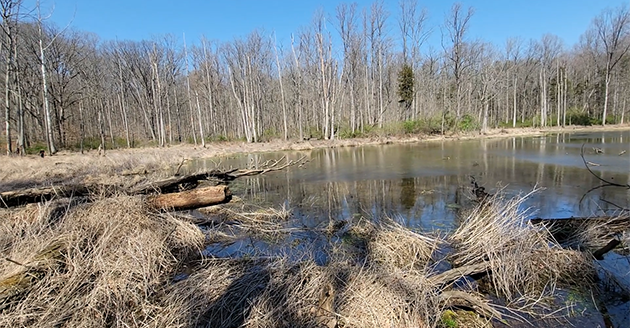
The upcoming solar eclipse on April 8 has drawn the attention of scientists and the general...
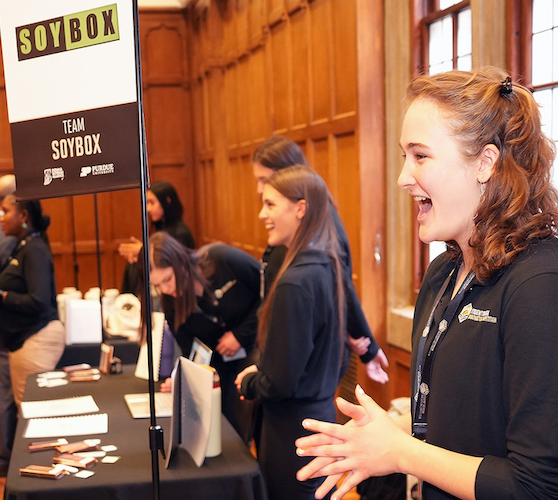
From winning products like soy-based candles and styrofoam to chewing gum, for 30 years the...

World-class faculty impact the U.S. and beyond.

98% FNR graduate students are successfully employed or continued with their education.

Research conducted with 25 forest properties across the state and 18 labs.
World-class faculty impact the U.S. and beyond.
98% FNR graduate students are successfully employed or continued with their education.
Research conducted with 25 forest properties across the state and 18 labs.
A new indoors ... for a greater outdoors.
We Need Your Support!
HAVE A QUESTION? CONTACT US
We are just one click away to help answer any questions you may have about courses, scholarships, research, extension, locations and how to become a partner of FNR.
Contact Us